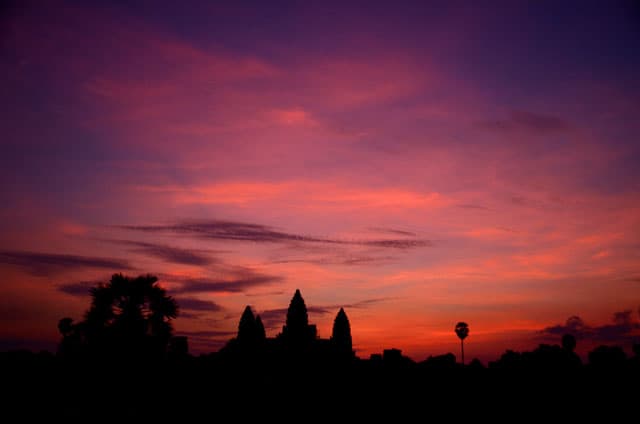
And kangaroo, frog, ostrich... Thanks to its location a few kilometres from the famous Angkor Wat, Siem Reap is Cambodia's main tourist hub — and one of its draws is the exotic meat on offer. Along the old French colonial strip, now the tourist heartland of Siem Reap, there's a wide array of barbecue restaurants with extensive menus of unusual proteins.
What exotic meats can you eat in Siem Reap?
The barbecue spots along the strip turn it into a sort of carnivore's bucket list. Crocodile, snake, kangaroo, ostrich and frog all show up on the menus, usually grilled or skewered and priced for tourists rather than for adventure. If you've never tried any of it, the standing joke holds true more often than not — most of it really does "taste a bit like chicken," which is the polite way of saying the seasoning and the smoke do most of the work. It's a fun thing to tick off once. Whether you go back for seconds is another matter entirely.
A word of caution worth the same as anywhere in Southeast Asia: stick to busy places with a high turnover, where the meat hasn't been sitting around. A grill with a queue is a grill you can trust.
And because man cannot live on crocodile alone, there are also places to enjoy a good sirloin or entrecôte. For that, your best bet is to escape the most touristy area, cross the river and head for Mr Grill, where I had the best beef in all of Southeast Asia for a couple of euros.
The local dishes worth your time
Obviously, like any Cambodian city, Siem Reap is full of places to try classic local dishes — and frankly these are where the real eating is. Staying on the carnivore theme, I should mention Lok Lak: a dish of spiced beef in sauce, served with rice, a fried egg and optionally chips. It's the dish I'd send a first-timer to before any novelty crocodile skewer.
Lok Lak — you have to try it
Done eating — what else is there to do in Siem Reap?
Various activities are on offer in Siem Reap — like visiting the crocodile farm — but the main draw is exploring Angkor Park and resting between temples. We did the whole thing by bike, which I'd recommend to anyone: you set your own pace, you escape the tuk-tuk crowds, and the breeze between temples is its own reward.
We wandered around Siem Reap's various markets, ate kilos of mangoes every day, walked the legendary Pub Street and strolled through the parks and temples. In the royal gardens in particular you can spot an enormous bat colony roosting in the trees. Flying rats! Are there bat barbecues on the menu somewhere?
If what you fancy is a beer... you're in the right place. For 50 US cents you can get a pint at most places, and at some you'll even get a bowl of popcorn or crisps thrown in.
Feel like a massage? Advertised prices are around a dollar for 15 minutes — don't overthink it. Some places even throw in a complimentary beer. The full package.
Don't worry, they're not piranhas!
One thing that drove me up the wall during our time in Siem Reap was the relentless harassment from tuk-tuk drivers. Most of the hotels and guesthouses are a short walk from the bars and restaurants, but that doesn't stop the tuk-tuk drivers accosting you every few steps insisting on taking you back to your hotel. I'm not going to my hotel, I'm going to the bar across the street! When I do go to my hotel I'll walk — it's 20 metres away! Talking to a wall. They do decorate their tuk-tuks in some wonderfully creative ways to attract tourists, though — I'll give them that.
If you're planning to visit Angkor by tuk-tuk, negotiate hard. Throughout the day we were constantly offered rides to the temples for $5 or $6, whereas tourists arriving fresh in town are typically told the standard price is $12–15. The gap between those two numbers is the whole game — and it's the same game everywhere in the region, which is why I wrote down the trick to paying local prices and a wider budget breakdown for Cambodia so you know roughly what things should cost before anyone quotes you.
And as is standard throughout Southeast Asia, if you've got a motorbike you can carry anything, any way you like. The only limit is the driver's imagination. If you don't believe me, the photo below says it all.
Dozens of ducks on a motorbike? Why not?
For those who want more images of Siem Reap, check out the Flickr gallery of the town below.
Frequently asked questions
What does crocodile meat taste like?
Pale, firm, and — surprise — somewhere between chicken and a mild white fish, especially once it's been marinated and grilled. The barbecue does most of the flavouring. It's lean and not at all fishy, which catches people out. Worth trying once for the story.
Is it safe to eat snake, crocodile and other exotic meat in Cambodia?
Generally yes, if you use the same common sense you'd use with any street food in Southeast Asia: choose busy places with a fast turnover, make sure it's cooked through and served hot, and avoid anything that's been sitting out. A grill with a queue is your friend.
Where should I eat in Siem Reap if I don't want exotic meat?
Plenty of options. Cross the river to Mr Grill for proper beef, or order the local classics — Lok Lak especially. Pub Street and the surrounding markets are wall-to-wall with cheap, good food, and you can eat very well for a couple of dollars.
How much does a beer cost in Siem Reap?
Around 50 US cents for a draught pint at most places along the strip, and some throw in popcorn or crisps for free. Pub Street is where the cheap-beer crowd gathers.
Enjoy Siem Reap — and if you've got other tips on what to eat, where to eat, where to drink or what to do, share them below!