We all want to travel cheap, but we're not all willing to give up the same comforts, travel the same way or stay on the road for the same length of time.
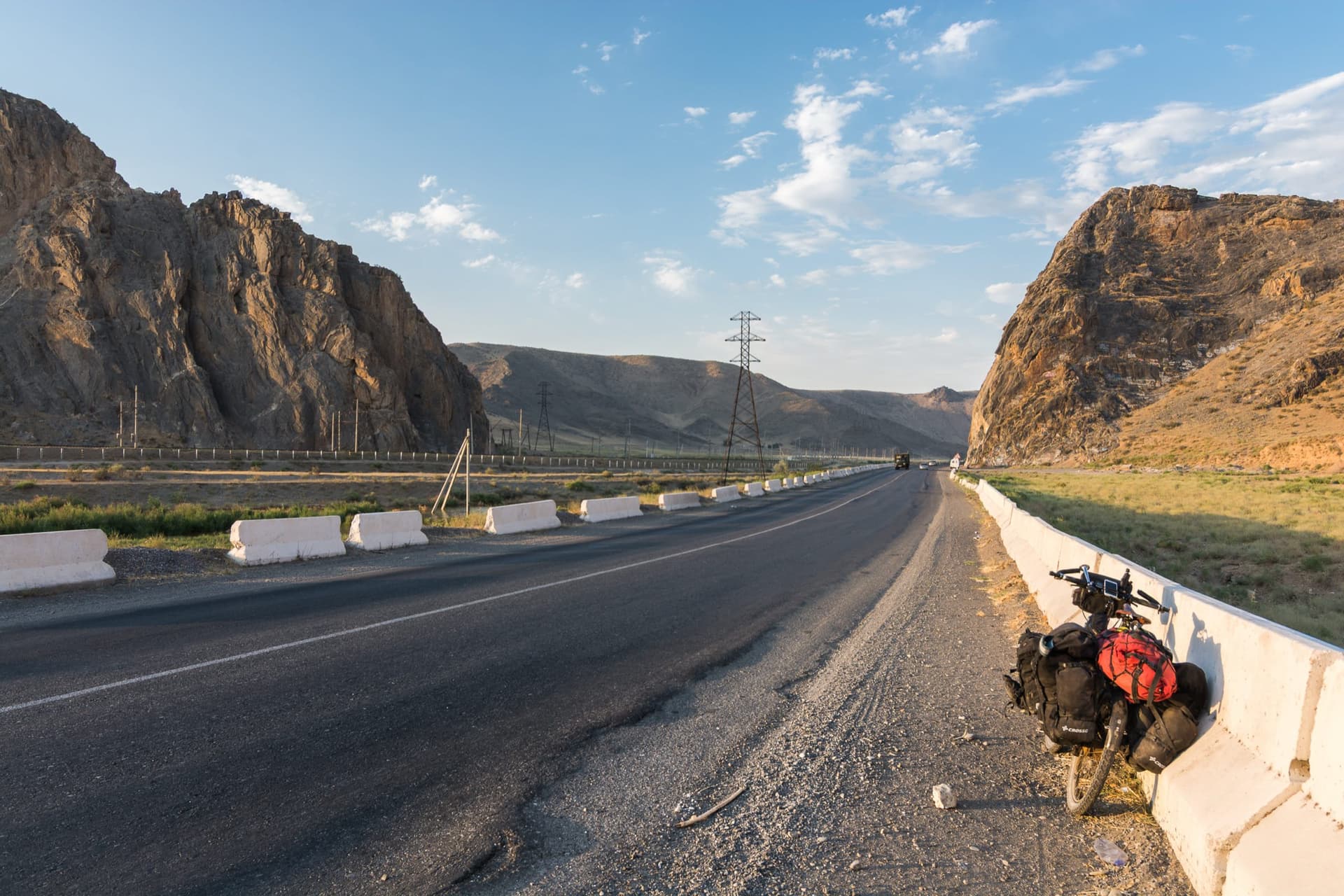
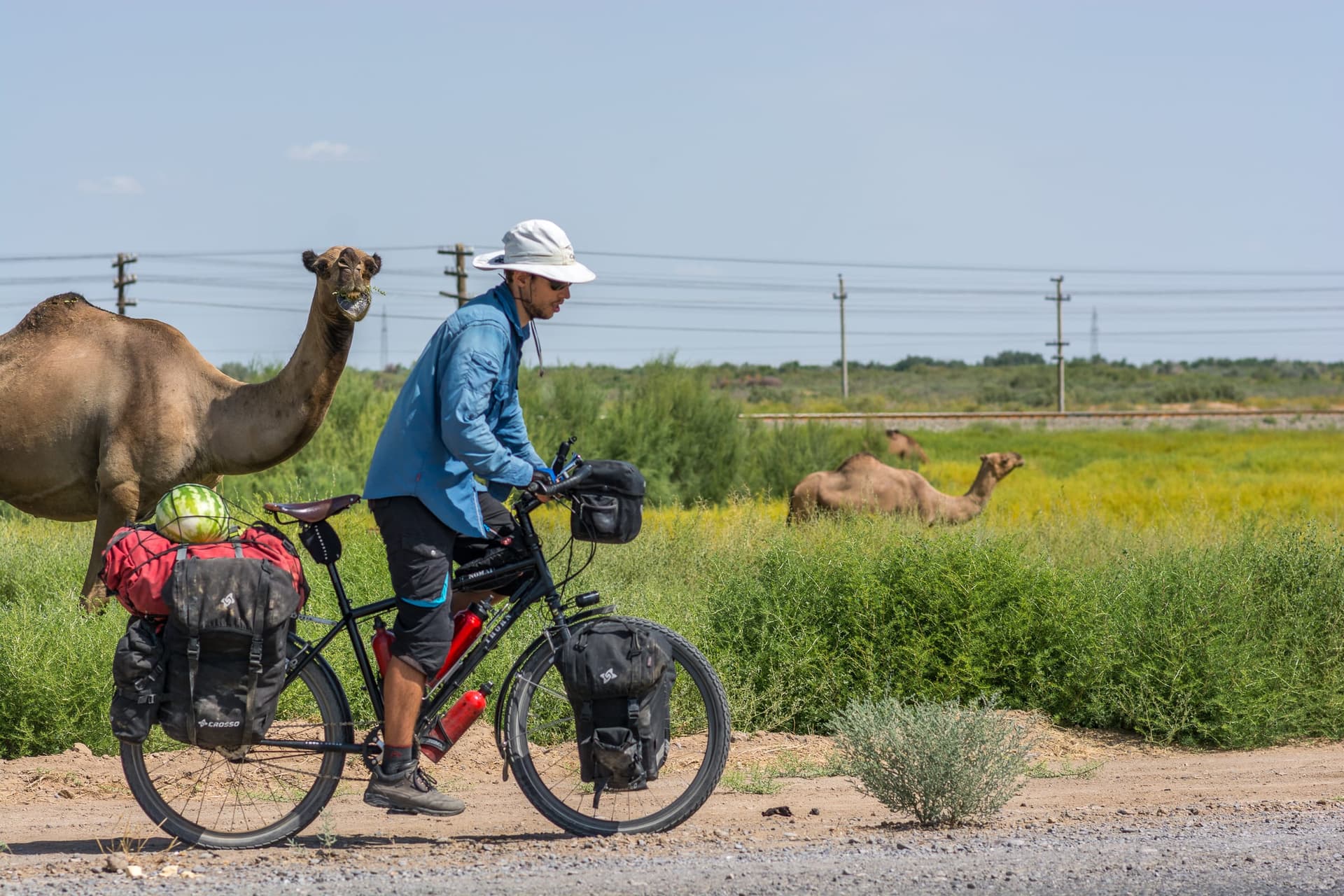
No excuse is good enough to keep you at home if you want to travel. There are countless ways to save money while you're out there — it really is possible to travel for under €300 a month.
From all the strategies I've used, I've picked out the ones that have worked best for me. I'll leave it to you to decide which suits your style and how you want to mix and match them.
1. Hostels
Hostels, youth hostels and backpacker dorms are a genuine alternative to hotels. If you're travelling solo they're a great way to meet other travellers, make friends and find someone to explore the city or go out with.
They're cheap — more so in some countries than others — and usually offer different accommodation options: from large dorms to private rooms, shared or en-suite bathrooms.
Another plus: hostels tend to come with the basics a traveller needs — a kitchen, Wi-Fi, laundry machines.
2. Couchsurfing
Hospitality networks are booming, and the most popular is Couchsurfing — though recent management changes have pushed the most committed community members to alternatives like BeWelcome.
Couchsurfing is a brilliant way to travel without leaving home: by opening your home to other travellers, you get to know their way of life and customs.
When you're the one travelling, it lets you stay in members' homes for free and gives you a much closer connection with the people in your destination.
It's almost always possible to sleep for free — see the 12 places I've slept for free over 300 nights and my tricks for finding free accommodation, power and internet on the road.
These communities also go beyond just offering a place to sleep — local and national groups organise events and meetups constantly, so even if you're not quite ready to sleep at a stranger's house, you can use them to meet for drinks or join a cycling trip with other members.
3. Carpooling
Organised hitchhiking — carpooling has become enormously popular in Europe, especially in France and Germany.
This ride-sharing system lets you search online for drivers heading your route over the coming days and book a seat with them.
The cost is usually less than trains or buses, though depending on the country the saving can be modest — worth checking low-cost transport companies at the same time to compare.
If you're driving your own car, you can also register as a driver, get some company for the journey and share the fuel cost.
4. Hitchhiking
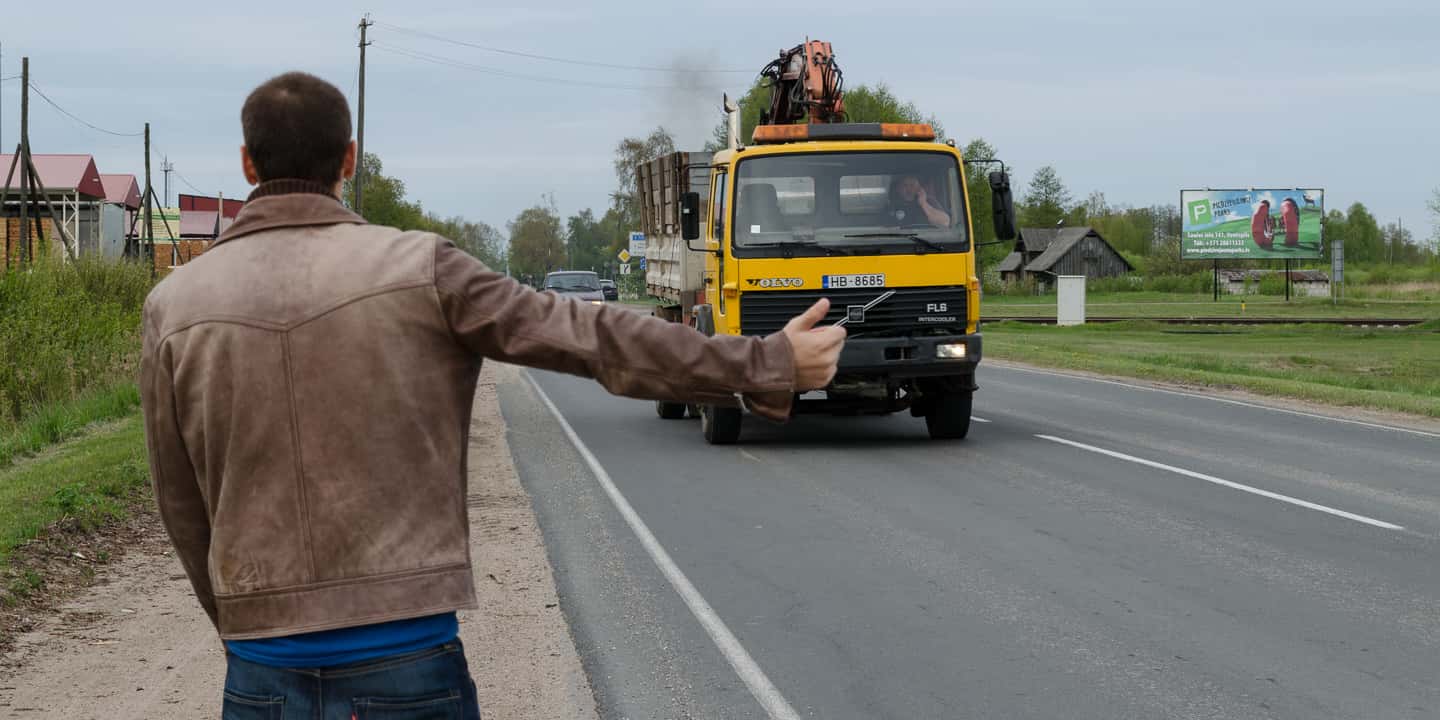
For those with an open mind. Don't let the mythology put you off — hitchhiking is legitimate and safe as long as you use basic common sense (don't do it on motorways, don't get in with someone who sets off alarm bells).
Hitchhiking is free, though in some Eastern European countries like Romania it's worth making sure the driver knows that too. In regions where public transport is poor, there's sometimes a tradition of private cars doubling as informal taxis and charging passengers accordingly. Any confusion is easily resolved by asking at the start of the journey — better for everyone.
Need to know more? Read how to hitchhike and where to hitchhike for more detail.
5. Compare flight prices
Don't buy blind — use Google Flights or any comparison tool to make sure you're getting the cheapest option.
Check connections and alternative arrival cities: sometimes flying into a nearby airport and taking a bus from there costs half the price of flying direct, and since so many airports are out of town, the total journey time often isn't much different.
6. Volunteering
The WWOOF organic farm network is one of the most popular options, especially for people travelling Australia — but it's far from the only way to volunteer.
Through networks like Helpx or Workaway you can find placements working a few hours a day in exchange for accommodation and food, and in some cases a small amount of extra cash.
Generally speaking, the more developed the country, the fewer hours you work and the more you receive; the less developed, the more hours required and sometimes food and shelter alone.
It's a brilliant way to break the monotony for long-term travellers — stop moving every day, take a sort of holiday in the middle of your trip, and give something back to the local community.
7. Teaching languages
Teaching languages — English above all — is an option with a lot of scope. In almost every emerging economy, and especially in China, there's huge demand for native or European English teachers.
If your English is good, even as a non-native speaker, you can get a TEFL or CELTA qualification that accredits you as an English teacher and opens a lot of doors.
For better or worse, being white already counts in some countries — though others are stricter and specifically require native speakers.
The upside of teaching English is that you'll have job offers available across half the world as long as you're willing to travel to wherever the work is.
8. Housesitting
Want to spend a proper stretch of time in a different country? To see what life is actually like on a Thai island, in Rio de Janeiro or in Sydney?
Housesitting means looking after a property — a home or a small family business — while the owners go on holiday or live elsewhere.
In exchange for feeding the pets, tending the garden and keeping the place clean, you get to live there — usually at no cost and with utilities covered.
Look around and compare: you'll find everything from remote rural cottages to mansions in stunning cities.
9. Working on a cruise ship
Cruise ships have all kinds of jobs on offer, from waiting tables to engineering roles.
If you're done with dry land and want to sail the seas and discover new places, this could be your moment.
Life at sea doesn't cost much, and depending on the nationality of the company you might pay no tax at all. Stick to reputable companies registered in countries with proper labour regulations — the US or EU countries are safer bets.
10. Seasonal work
For people who want a nomadic life, or who can't afford a conventional holiday but want to get out of the country, the answer is simple: go where the work is.
Felling trees in Scandinavia, planting in Canada, picking fruit in Australia, working ski season or taking a hospitality job at a beach resort will earn you decent money and leave the rest of the year free for travel.
11. Hunt for deals
If you don't have the time to hitchhike across Europe or commit to three months housesitting in Canada, the next best thing is staying alert to deals as they come up.
By keeping an eye on offers from various companies and travel deal blogs, you can take your summer holiday for a fraction of what you'd pay by walking into a travel agent.
12. Do your research
If you want to spend less, the first step is to gather as much information as possible about your destination. Invest a bit of time researching where you're going — and the alternatives you're considering.
A small time investment will uncover local buses far cheaper than the tourist ones, restaurants recommended by locals at a third of the price of anything in the tourist zone and with better food, hotel deals and regional low-cost operators.
A good starting point is Wikitravel or the newer Wikivoyage — both have Spanish versions but I'd always recommend the English editions, which are more comprehensive and better maintained.
When it comes to visas and border crossings, being well-informed matters a lot. Don't let yourself get ripped off at a land border.
And if the question nagging at you is where the money comes from in the first place, I've written about exactly that: how to fund your travels.
So there you go — no excuses left. If you want to travel… travel. With time or without it, with money or without it — there's always a way.
Frequently asked questions
Can you really travel for under €300 a month?
Yes — we've done it for far less, under €5 a day each over six months on the road. The trick isn't shaving a euro off every expense; it's cutting whole categories out. Sleep for free, hitchhike or cycle instead of paying for transport, cook your own food, and skip paid attractions you don't truly care about. I unpack the maths in why cycle tour long distance on a budget.
Which of these is the easiest way to start travelling cheap?
For most people it's a combination: hostels to keep beds cheap, comparing flights so you never overpay, and a bit of research before you arrive somewhere. Couchsurfing and hitchhiking save the most money but ask for a more open mindset — ease into them and they quickly become second nature.
Is hitchhiking safe?
In my experience, yes — as long as you use basic common sense. Don't thumb it on motorways, trust your gut and skip any ride that sets off alarm bells, and in a few Eastern European countries make clear from the start that you're not paying. For the full method, read how to hitchhike and where to hitchhike.
How can I make money while travelling long-term?
The big four are teaching English, seasonal work (fruit-picking, ski seasons, hospitality), volunteering through Workaway or HelpX in exchange for board, and housesitting. Teaching English and seasonal work pay actual wages; volunteering and housesitting mostly cover your living costs so your savings last far longer.