Life on the road should earn you a diploma in locating free places to sleep, plug sockets and internet connections.
The most common ways we've slept without paying: using hospitality networks like Couchsurfing (or Warmshowers if you're touring by bike), sleeping on Southeast Asian beaches with a simple mosquito net, accepting a generous offer from a local who opens their home, or pitching our tent wherever we can get away with it (wild camping, free camping and stealth camping are a few of the names this art goes by).
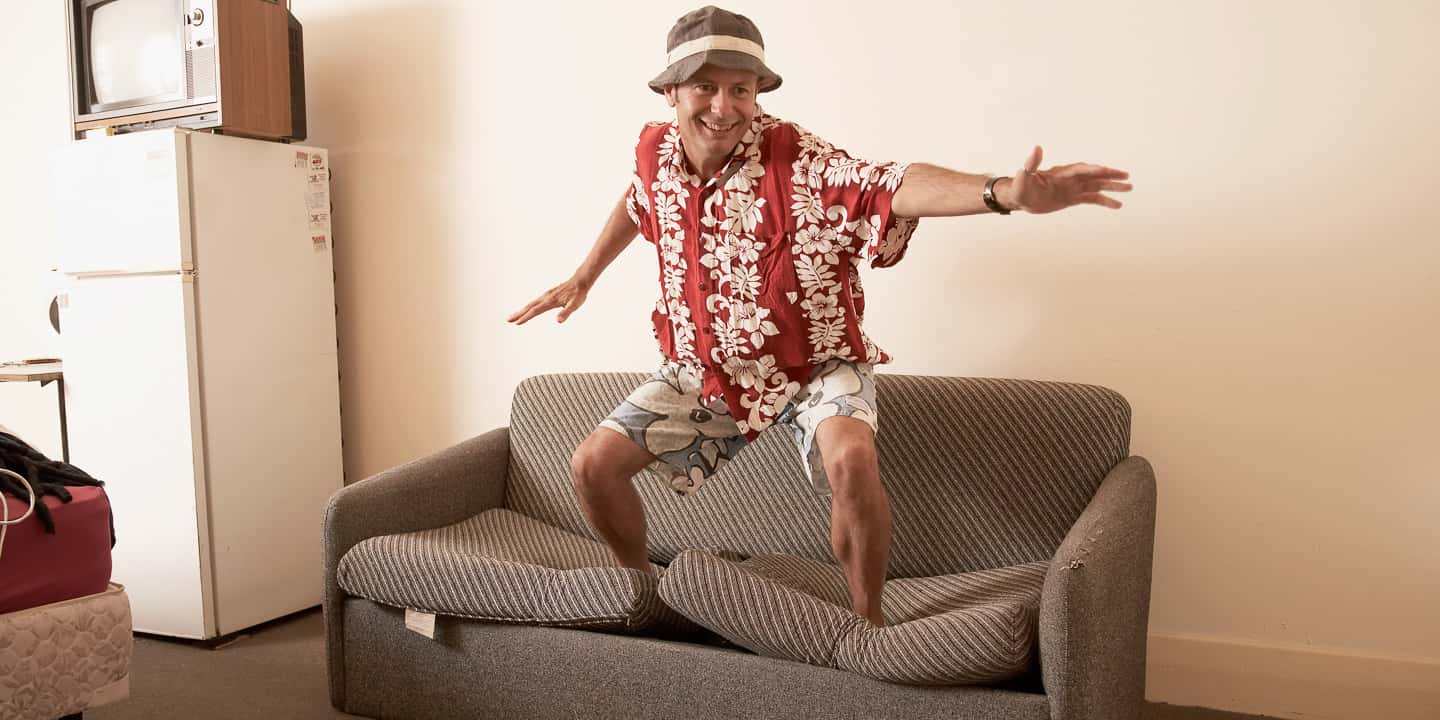
Sleeping in strangers' houses?
Both hospitality networks and spontaneous invitations from locals require a genuine interest in the people who offer their help — a curiosity about them, a willingness to socialise and to integrate into wherever you happen to be.
If your only goal is to avoid paying for a hostel: Couchsurfing is not for you. You'll have an uncomfortable experience and your host will feel rather cheated.
That said, most people who sign up for hospitality networks do so for exactly that reason. Fortunately, once you actually start using them your mindset shifts, you adapt to the philosophy behind it, and it starts bringing you real joy and entirely new ways of experiencing the places you travel through.
Spontaneous invitations to stay with locals require a certain sixth sense. Of all the times I've accepted hospitality from complete strangers — food, drink, a place to sleep, a shower — I've never once had a problem or experienced any attempt at theft. The worst it's ever come to is someone trying to turn a profit from you, and only in heavily touristy areas. Still, a few basic precautions are always sensible.
How open we are to people we meet on the street, the style of travel we choose — the more alternative and off the tourist trail, the better — and simply who we are as people will all determine how often we end up sleeping in someone else's bed.
What's all this about sleeping outdoors?
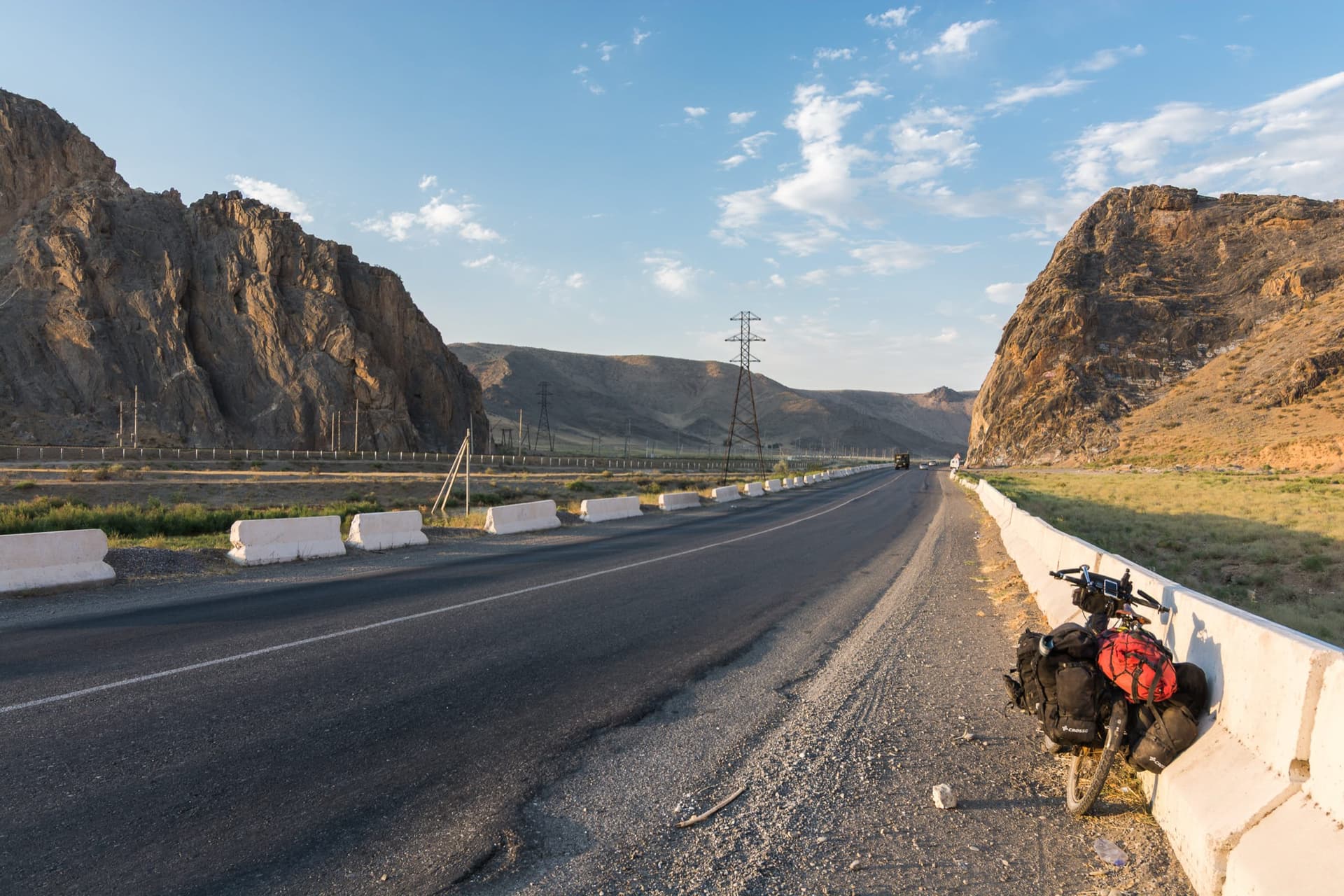
Sleeping in a tent doesn't mean paying for a campsite. Honestly, in my humble opinion, lugging around the weight and bulk of camping gear only to pay to use it strikes me as completely absurd.
Sure, you get more comforts — bathrooms, showers, a kitchen. But why pay for it? Safety? Night-time murderers are not wandering through forests with carving knives, scared of bumping into some other sociopath.
If someone does come across your tent, the most likely outcome is that they walk straight past — or, if it's a local, they offer you a cup of tea or a warm place to sleep.
On top of that, the freedom to pitch wherever you like gives you situations and dawns you couldn't experience in the most expensive hotel in the world. What could be better than sleeping under a ceiling of a thousand stars?
Our camping experience was pretty limited up to that point — we'd used the tent in a forest and on the beaches of a Croatian island, near a few European roadsides when hitchhiking runs late into the night, and hidden among the trees at a French motorway service area.
In Southeast Asia we bought a mosquito tent instead, which let us sleep on countless beaches and islands without worrying too much about getting eaten alive.
Free isn't always possible
The option of camping while hitchhiking or travelling the road, or finding a bed through Couchsurfing, isn't always a realistic one. When it isn't, we do what every other tourist does: look for a hostel, guesthouse or hotel.
For that I usually use wikitravel, which has listings and price references and — crucially — helps us get a feel for which neighbourhoods to explore on foot once we arrive, in search of cheap guesthouses.
Over the last 5 months in Southeast Asia our average accommodation spend has been €3–4 a night — it's almost always possible to find something affordable if you don't panic at the first place, bargain a bit and ask around.
There are also extra tricks for spending less: if you arrive somewhere intending to go out and party, it might be worth checking out of the hostel that morning, leaving your bag there for free, staying out all night, and checking back in the next morning — saving yourself one night's cost. Or, if you've been lucky, sleeping at your new friend's place instead.
How do we charge our gadgets? And get online?
That depends entirely on the country. Over time you develop a sharpened perception for spotting plug sockets anywhere you go. Since you'll often have one socket and several hungry devices, it's worth carrying a multi-plug adapter.
The most obvious option is restaurants, bars, hotels and guesthouses. Most require you to buy something, but chains like McDonalds won't bat an eyelid if you sit at one of their tables and charge your laptop, and many of those establishments in tourist areas — and almost all McDonalds worldwide — offer free Wi-Fi.
Libraries are another option — an oasis of calm in busy cities. You can usually charge there and get online too, though some will ask for personal details or your passport.
Shopping centres often have sockets, especially near the toilets, and sometimes businesses with open Wi-Fi.
Airports, train stations and petrol stations nearly always have sockets — sometimes hidden, sometimes obvious, but they're almost always there. Check near the vending machines.
If you're considering an e-reader, think about getting a Kindle 3G — it gives you free internet access in over 100 countries.
And in the worst case, if you're truly desperate: walk the streets with your laptop or smartphone in hand. Sooner or later you'll find an open Wi-Fi network.
A couple of habits make all of this easier. Charge whenever you can, not when you need to — top up at every café, library and bus station whether your battery's low or not, because you never know when the next socket appears. Carry a power bank as your buffer, and that multi-plug adapter so one socket feeds the phone, the camera and the laptop at once. Treat electricity like water in the desert: gather it whenever it's in front of you.
Frequently asked questions
Is it really possible to travel without paying for accommodation?
Yes — we've done it for hundreds of nights. Between hospitality networks, wild camping, beach sleeps with a mosquito net, and invitations from locals, paying for a bed becomes the exception rather than the rule. The catch is that the free options reward people who are genuinely curious and sociable; if you only want a free bed and nothing else, Couchsurfing isn't for you.
How do you find free Wi-Fi while travelling?
Start with the obvious: McDonalds and similar chains almost everywhere, plus most cafés, hotels and guesthouses in tourist areas. Then libraries, shopping centres, airports, train and bus stations. As a last resort, walk around with your phone open and you'll eventually catch an unsecured network. A Kindle with free 3G is a quiet backup for basic browsing in over 100 countries.
Where can you charge your phone or laptop for free on the road?
Restaurants and bars (usually with a small purchase), libraries, shopping centres — check near the toilets and vending machines — and the sockets that nearly always exist at airports, stations and petrol stations. Chains like McDonalds rarely mind you plugging in at a table. Carry a multi-plug adapter so you can charge several devices from a single outlet.
Is sleeping in strangers' homes safe?
In my experience, overwhelmingly so. Across every meal, drink, shower and bed I've accepted from strangers, I've never had something stolen or felt threatened. The worst that happens is the occasional person in a touristy area trying to make a bit of money off you. Use basic common sense, trust your instincts, and you'll be fine.
Still not convinced that finding free accommodation is easy?
Here's a list of 12 places where I've slept for free over 300 nights.