On the meaning of life, the universe and everything else — except filtered through my particular way of seeing that life and that universe, how I've chosen to spend my time on this planet, and how you might do the same in your own way. That's it. That's all there is.
To explain why I cycle tour for extended periods of time, I first need to explain why I travel at all, why travelling has nothing to do with going on holiday, and what advantages — yes, advantages — come with travelling cheap.
Why travelling isn't the same as going on holiday
When you go on holiday, the whole point is to reach your destination. To see the place you've gone to. To be there — and to photograph everything in sight so you can make the people back home jealous!
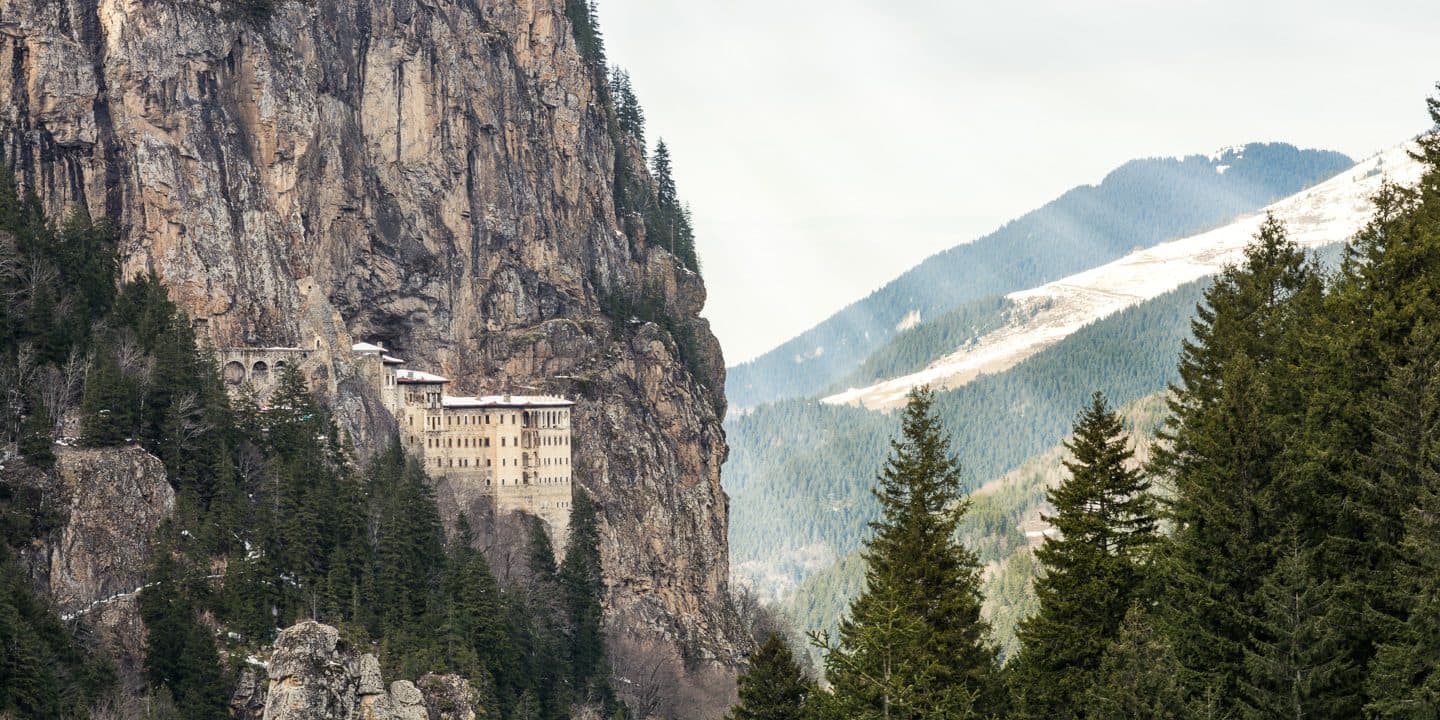
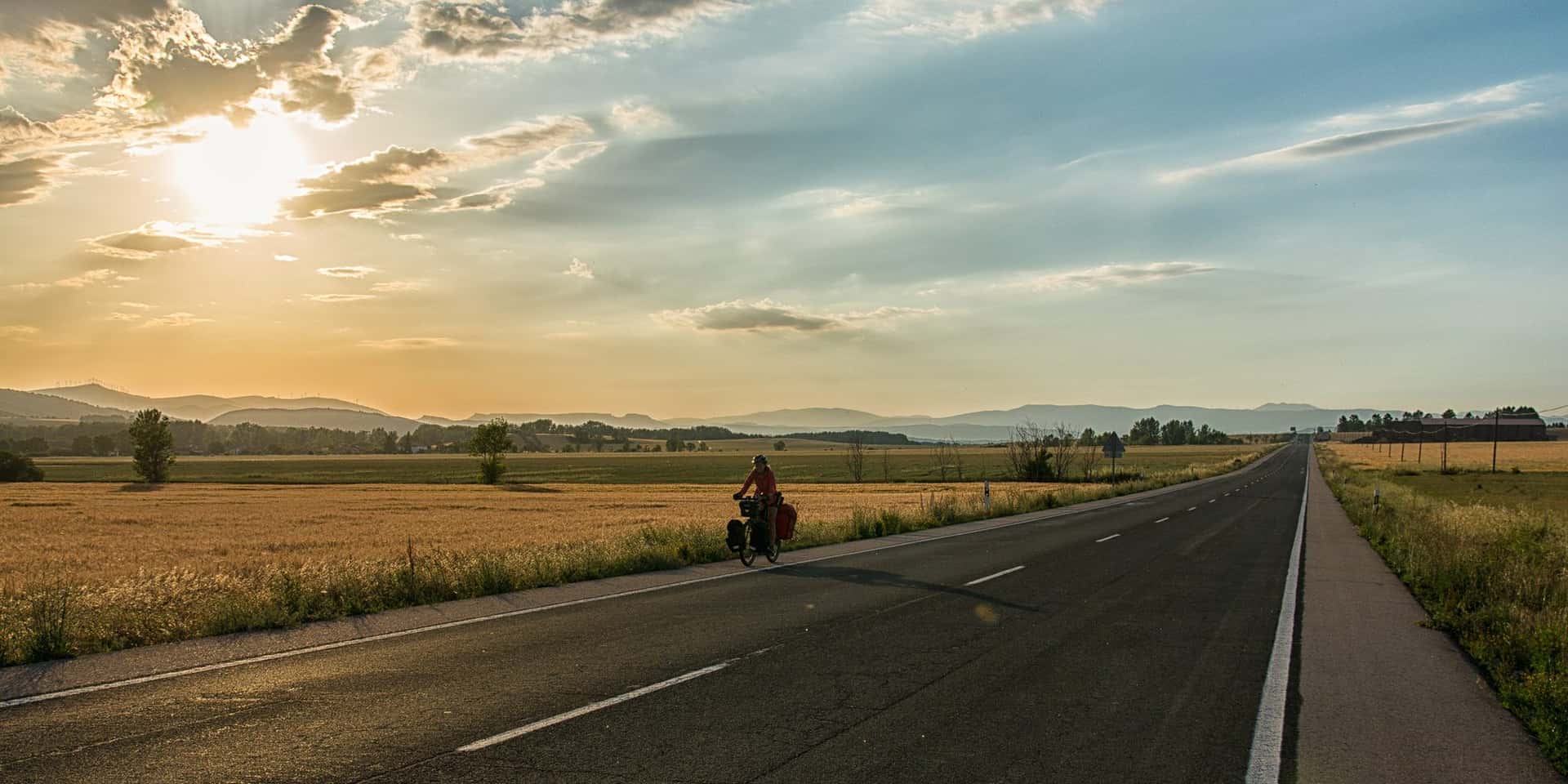
When you travel, your goal isn't to arrive somewhere. Travel is constant movement, travel is the experience of getting from one place to the next — and everything that happens during that journey — not what you see when you pull up at some particular spot.
Why cycle and not backpack?
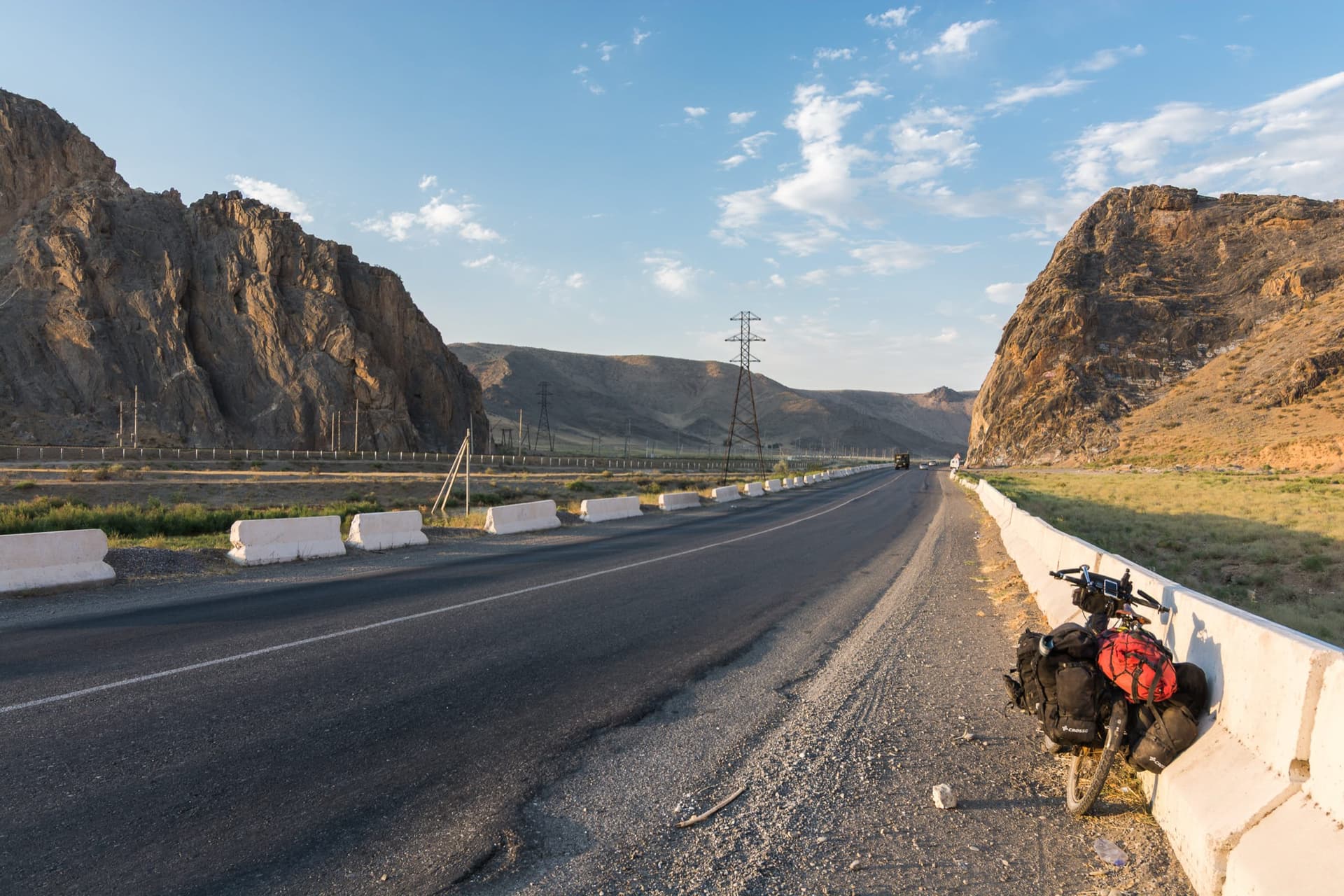
The main advantage of cycling is that the act of moving, of travelling, is something you do entirely through your own effort, sweat and tears.
You feel every incline in your legs, every hill; you sweat over every mountain pass and curse into every headwind, and that's what makes the journey unique. Every millimetre you cover is burned into your memory — because you suffered for it, and suffering like that makes you feel alive.
Can you travel cheap on a bike?
The answer is a clear and unequivocal yes — even cheaper than backpacking. Cycle touring has one fundamental advantage over a trip with a rucksack: the possibility of self-sufficiency and independence.
When you're backpacking, your carrying capacity is far more limited. On long trips that eventually forces you to find places to cook or get a hot meal, charge your phone, take a shower. These needs — especially when you're on a tight budget — are cheapest to meet in cities and tourist hotspots, which ends up dictating the way you travel and discover the places you pass through.
On a bike, with no rush and no schedule, you can carry far more gear in comfort. You can travel with a tent, a camping stove, a water filter and even solar panels or a dynamo hub to charge your phone or Kindle. (New to all this? Here's bicycle touring for beginners in five minutes.)
How many times have you decided, backpack on your back, not to visit somewhere because you had no idea whether you'd find a place to sleep?
The real point isn't just being able to sleep, cook, shower or get electricity without paying for it — it's that you become capable of venturing into remote corners and wild landscapes, camping under the stars in the middle of nowhere, without having to catch a bus back to civilisation just to cover basic needs.
What counts as travelling cheap?
It's a deeply personal question, and travelling cheap on a two-week holiday is a completely different thing from spending a significant chunk of your life doing it. It becomes a way of life.
It depends on what you earn and how long your trip is. But, contrary to what most people assume, the country you're travelling in barely matters when it comes to budget.
Once you've got the mindset and a bit of experience under your belt, the more expensive places are often where you spend the least. You'll cut out all the luxuries, end up eating supermarket pasta with bread, get creative with your resourcefulness — and your daily costs will actually stay lower than in the countries where everyone insisted you barely need any money.
After several years of travelling, my personal benchmark for what I'd call budget travel is €10 a day. That covers the occasional hostel, the odd treat and not having to depend on anyone's charity.
We'd been travelling for six months spending less than €5 per person per day. Half that.
How to travel on €5 a day
The key isn't to chip away at individual expenses — it's to cut out entire categories altogether.
- Accommodation. In certain parts of the world you can sleep in a bed for €1 or €2 — but why pay at all if you can sleep in a forest or on a beach for free? I've slept for free more than 300 nights, and once you learn how to wild camp for free the whole budget collapses.
- Return flights.
When travel is your life you don't need to go back anywhere — so you skip the airport taxi there, the flight, the taxi from the destination airport to your accommodation, the taxi back to the airport, the return flight and the taxi home.
You're always travelling, always moving, always arriving somewhere without the big outlay. - Transport. Why spend money on buses, trains or planes when you can hitchhike or — in our case — cycle?
- City transport. Taxis, seriously? City buses?
There's no city in the world I haven't been able to cover on foot. I've done 30km days wandering around major cities. - Tourist attractions.
Once you've seen dozens of castles, churches and museums, you don't lose sleep over missing the next ones — they all start to look like another pile of rocks.
Some cost money, some don't; but unless you have a specific interest in a place, you don't need to pay entrance fees to discover a country and its people, which is ultimately what fills you up and what you remember years later. - Alcohol. Holiday = party, holiday = travel, travel = party! WRONG!
Just as it's not particularly healthy to spend several years getting drunk every day at home, it's no healthier on the road — and a lot worse if you've got to pedal in the morning. There comes a point where you stop feeling the need for beer or wine, there's nothing special to celebrate, and you only drink when someone insists on treating you.
That need to loosen up evaporates pretty quickly when you're spending all day outdoors living the life you've chosen for yourself.
Once you've stripped out accommodation, flights, transport, entrance fees and nights out, all you're left with is visas and food.
The bureaucratic side doesn't offer much room to manoeuvre — unless you're happy to gamble with the inside of a Congolese or Korean prison. Even so, with a little information and time, it's possible to get visa costs down to zero by handling the paperwork yourself at embassies in neighbouring countries, which are usually cheaper than the one outside your home country. I've written plenty about borders, visas and entry requirements.
Food does require some spending, but if you cook your own meals you can keep it to a few euros a day.
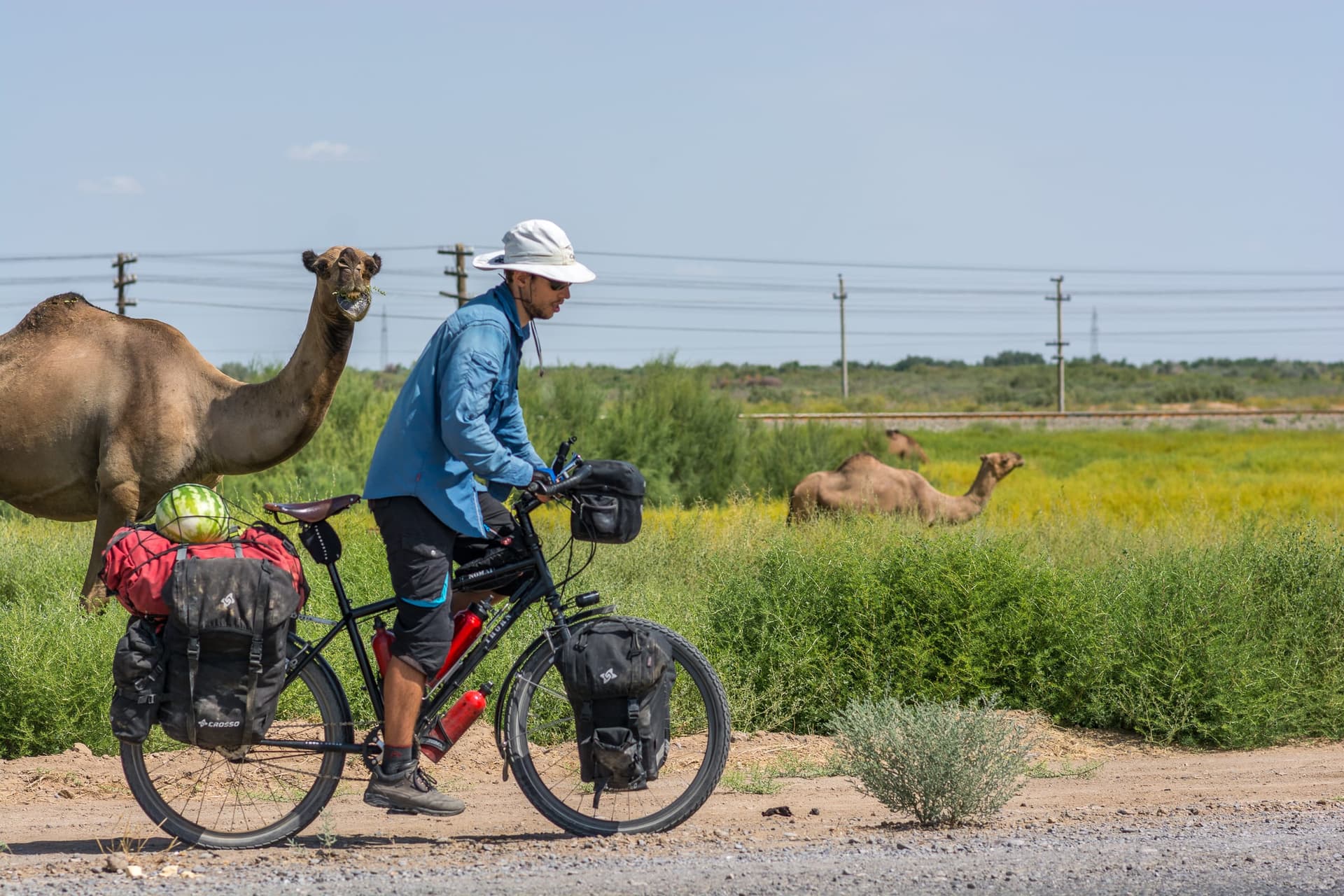
If your trip has something unique about it, if you open yourself up and approach people, you'll be surprised by the generosity and the sheer number of good people around you. You'll get invited for meals, offered snacks, and end up enjoying authentic local food without once opening your wallet at a restaurant.
So why cycle and why do it cheap?
The bicycle has two advantages: it connects you to a country's landscape through your legs, and it connects you to its people through the combination of smiles and suffering.
Travelling cheap forces you to improvise, to hustle, to depend on people — which makes you open up and mix with locals, letting you experience what a country is actually like rather than the canned, sanitised package deal sold by a travel agent at some banana-republic resort.
Travel cheap, travel long, travel self-sufficiently — on a bike or on foot — and you'll discover the world as it really is rather than as it's presented to you, and the real you in the process. Go travel. Need a guide for first-time travellers?
Frequently asked questions
Is bicycle touring cheaper than backpacking?
In my experience, yes — and it surprises people. The bike lets you carry a tent, a stove, a water filter and a way to charge your gear, which means you're self-sufficient instead of being herded into cities and tourist hubs just to meet basic needs. That independence is exactly what lets you sleep, eat and recharge for next to nothing.
How much does long-distance cycle touring cost per day?
We spent six months on under €5 a day each. My broader benchmark for comfortable budget travel — with the odd hostel and a few treats — is around €10 a day. The real lever isn't trimming each expense; it's cutting whole categories out: accommodation, flights, transport, attractions and nights out. For more strategies, see 12 ways to travel cheap.
Does the country you travel in change the budget much?
Less than you'd think. Once you've got the mindset and a bit of experience, the expensive countries are often where you spend the least: you strip out the luxuries, cook supermarket pasta, get resourceful, and your daily costs end up lower than in the "cheap" countries where everyone swore you'd barely need money.
Why cycle instead of just hitchhiking or taking buses?
Because the bike connects you to a country twice over — to its landscape through your legs, and to its people through that mix of smiles and suffering. Every climb and headwind burns the journey into your memory in a way a bus seat never will. That said, I love hitchhiking too, and often mix the two; here's how to hitchhike.
But of course, it's all complete nonsense. I lay in bed, looked out the window, thought "cheap cycling sounds about right", and wrote it down. End of story.