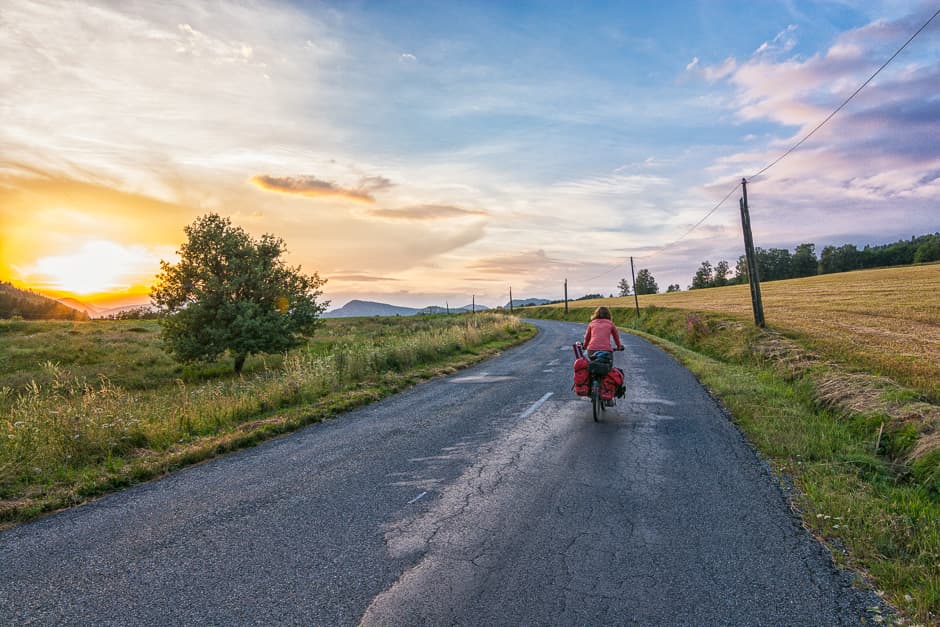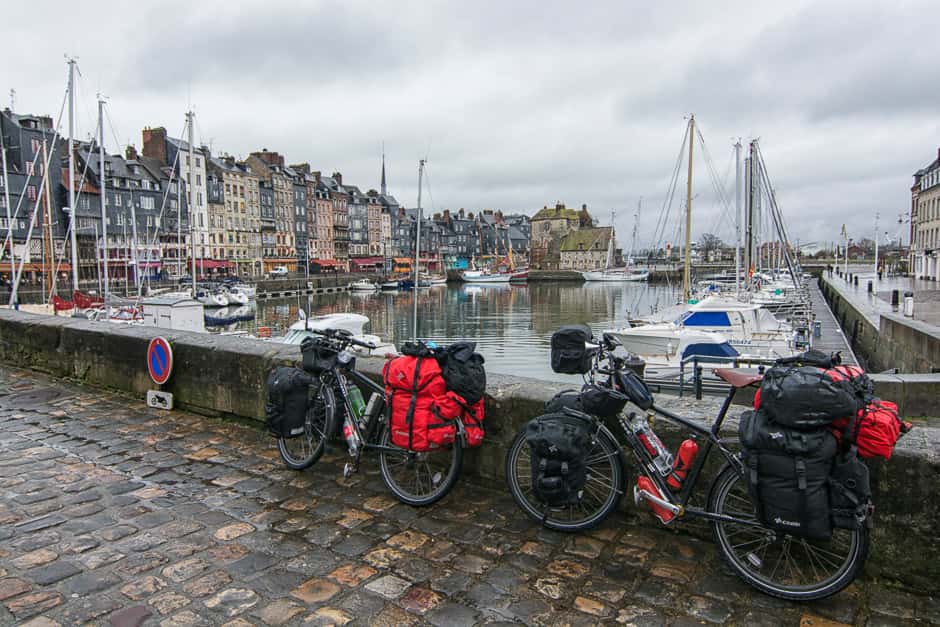
Once over the Normandy Bridge we were in the French region of Lower Normandy — and, as before, we took the coastal back roads to dodge the traffic and drift through the seaside villages.
Honfleur, Trouville, Deauville... In a single afternoon we passed through all these gorgeous Lower Normandy towns. We pedalled alongside long stretches of golden sand and met our Couchsurfing host in Cabourg.
While we were in the area we got to try buckwheat crêpes, Norman cider, sweet macarons and other local specialities.
These coastal towns live on tourism — summer visitors and weekend trippers alike — since their good transport links to the rest of France make it easy for city dwellers to dash to the Normandy coast for a couple of days.
Cycling the coast to Caen
We jumped on the cycle path all the way into the centre of Caen, the city of a hundred churches, where we tried a cocktail invented there: l'embuscade.
The ingredients: blackcurrant liqueur, white wine, Calvados and beer. Easy to drink, with an apple-brandy kick lurking at the back.
In Caen we caught up on French gossip — the presidential infidelity scandal was everywhere — and heard about the regional rivalry between Upper and Lower Normandy, which the central government was considering merging into one region, with decidedly mixed reactions from the locals.
Some didn't mind either way, but plenty were dead set against being lumped together with Upper Normandy. They see themselves as farmers and livestock herders; people in places like Rouen, they say, are too Parisian, too close to the capital, too posh.
Crossing Lower Normandy
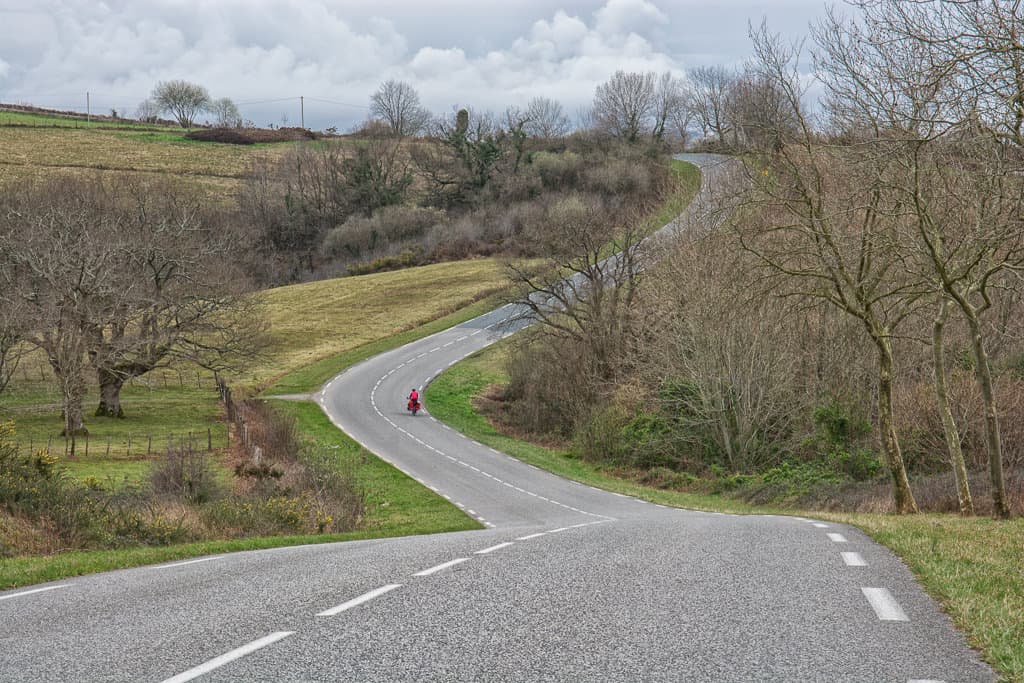
From Caen to Granville we took the middle route — it was bucketing down and the forecast was the same for days ahead, so we chose the shorter option... and it still felt long.
With a stop in Saint-Lô, we covered the whole stretch under a relentless downpour that gave us not a moment's respite. Wind in our faces, nothing interesting to look at — field after field, and that was about it.
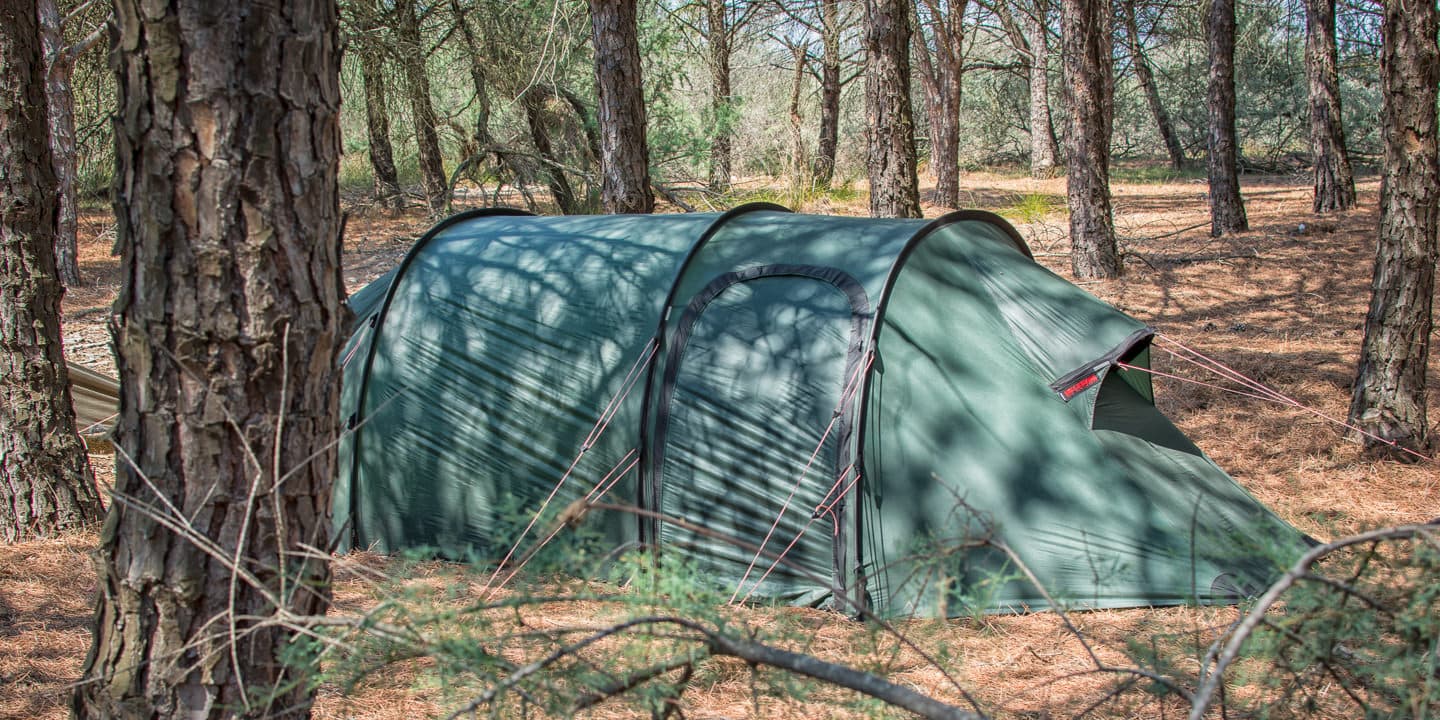
In Saint-Lô we had the good fortune to run into a French guy who'd spent a couple of years in Bangladesh: a cycling enthusiast, a tandem rider, who had made his way back from Asia by bike from Turkey to France. When he got home he found a large package waiting — the rickshaw he'd shipped from Bangladesh. We went for a spin in it around the area and he showed us his favourite wild camping spot, which reminded us of The Lion King.
Granville, though, is a gorgeous town we loved. We spent a couple of nights there with a Franco-Canadian traveller — a fascinating character who was something of a scholar on all things cycling, adventure luggage and women.
Visiting Mont-Saint-Michel
Throughout our ride through Normandy, people kept reminding us — insisting — that Mont-Saint-Michel belongs to Normandy and not to French Brittany. That it's on their side of the border, their side of the river, and is absolutely not Breton.
There's a fierce rivalry between Normandy and Brittany over Mont-Saint-Michel, because Brittany markets it as part of its own "tourist package" — whereas according to the Normans, it's theirs.
Depending on the tide, Mont-Saint-Michel is either an island or not — water levels vary by up to 15 metres.
When we arrived at France's second most visited site, the place was wrapped in such thick mist we could barely make out the monastery — but as we got closer its silhouette gradually emerged from the fog.
The abbey at Mont-Saint-Michel was the only tourist attraction we paid to enter during our entire ride through France; though we got in at half price, because Ilze tagged along with a woman who had a free pass for herself and a companion — who then invited us to lunch at her home the following day.
After studying the monastery's location relative to the river marking the border between Normandy and Brittany, I'm inclined to side with the Normans who insist Mont-Saint-Michel belongs in Lower Normandy — though I'd think twice before saying so in front of anyone from Brittany. We continued from here into Brittany — see cycling through Brittany in winter.