Nǐhǎo! We made it to China! Not just China — we're in the heart of the Sichuan region: Chengdu.
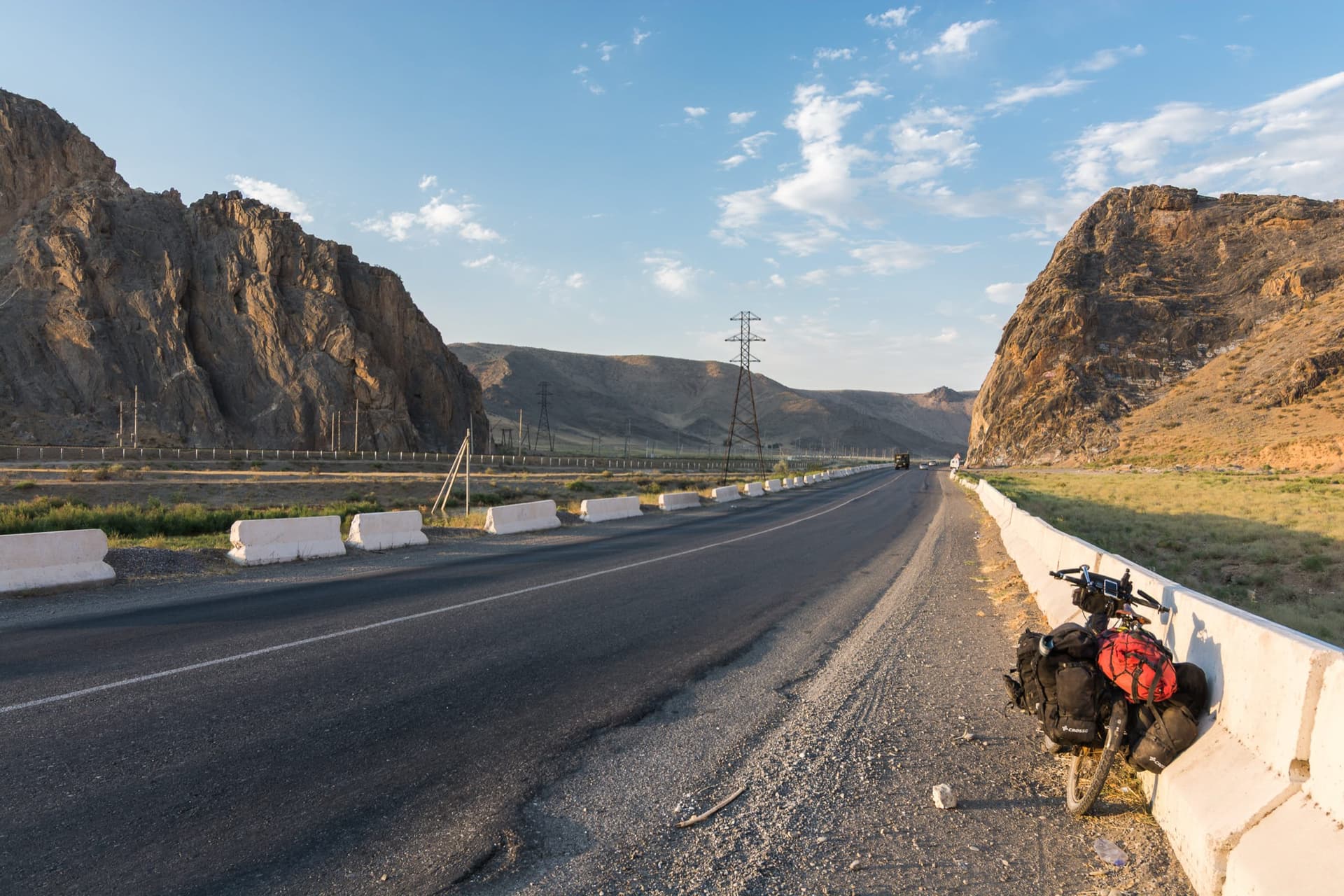
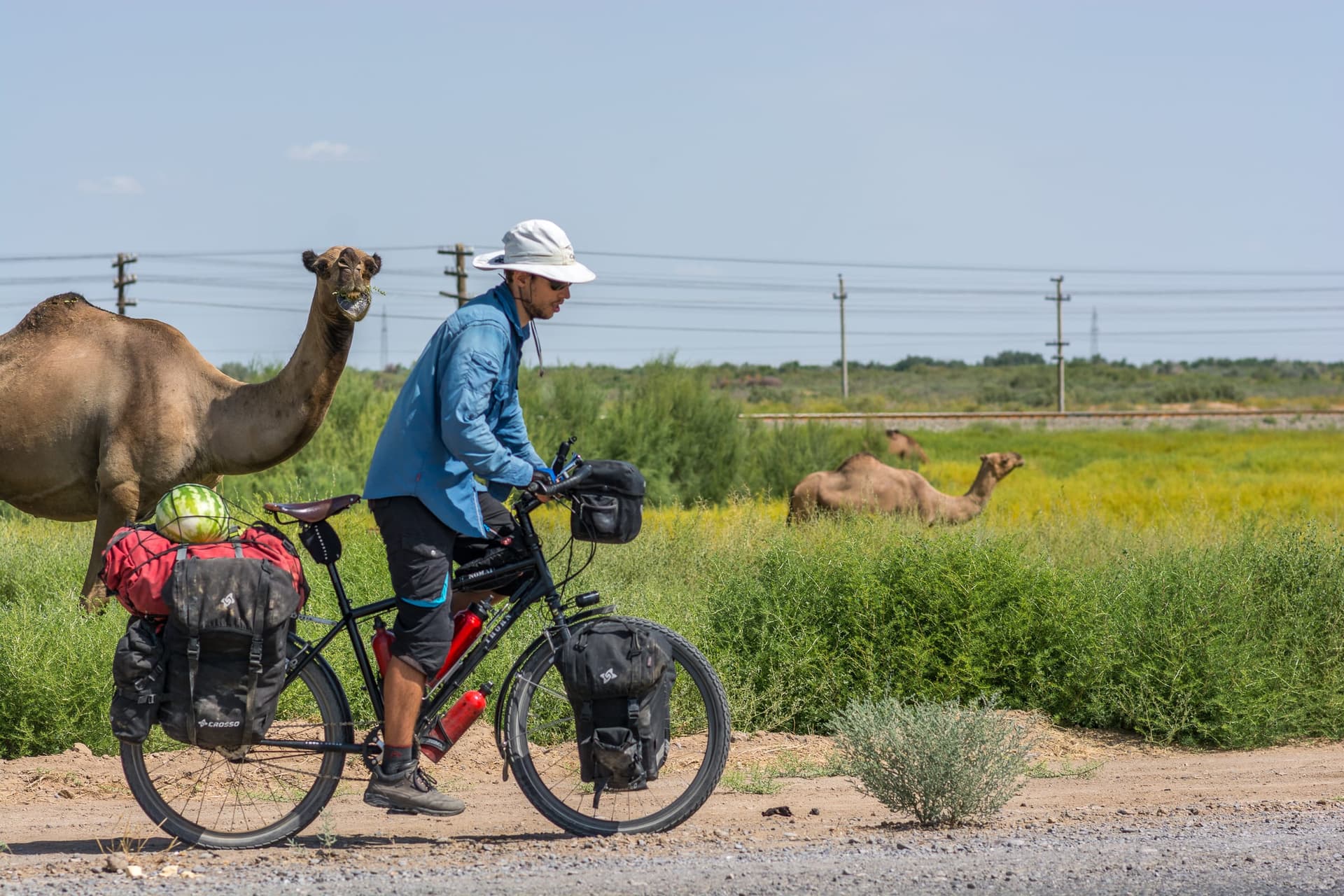
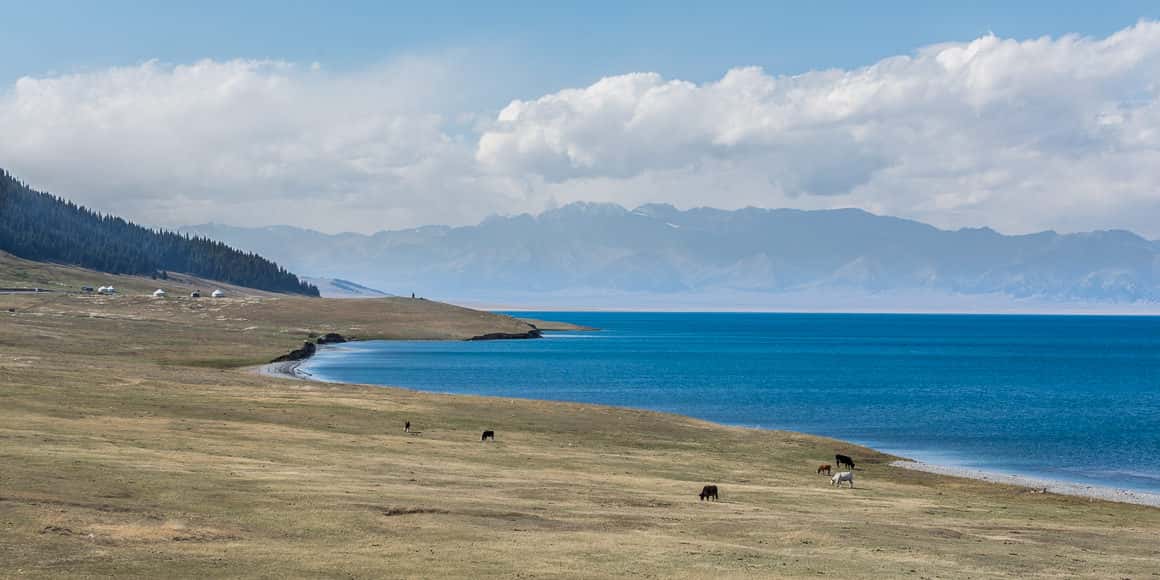
So many stories left to tell. Our two and a half months of extraordinary Iranian hospitality, the visa-and-embassy marathon to sort out Central Asian visas and renew my passport, the race across Turkmenistan's desert in five days, the marathon of dodging police in Uzbekistan over lack of hotel registrations, the mountains and landscapes of Kyrgyzstan, crossing the steppes of Kazakhstan, and pushing through the most remote corners of Xinjiang in China...
All of it will find its place here on the blog, especially now that I'll have more time and internet access — after more than six months of extremely limited connectivity — because... we've decided to settle in Chengdu for a while!
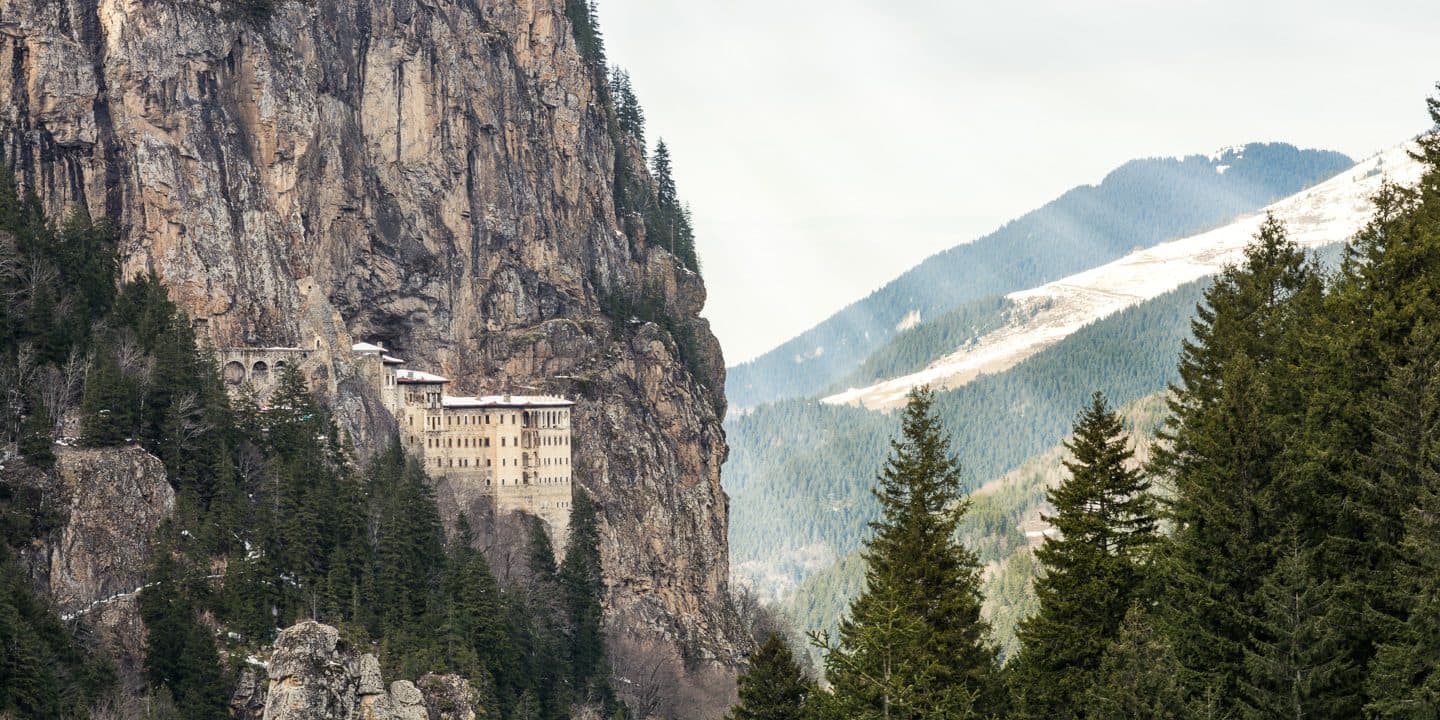
Sichuan stands out for its culinary variety, its fiery dishes, its Sichuanese dialect, its humid near-tropical climate, its jungle, its Tibetan population, its Buddhist temples and its more relaxed state of mind. A region we want to explore and get to know properly.
Living in China for a few weeks
After 21 months cycling, we felt the need to stop somewhere for a while — but we'd never seriously considered China, partly because of visa complications and partly because the climate and food of Southeast Asia appealed to us more.
Living in a new country is the best way to soak up the culture, discover its quirks and start learning the language. And what country could be more different than China?
Everything is different in China. Absolutely everything.
We're going to work as English teachers, among other things, and I'll use the time to push forward on several projects. I want to find the energy and focus to keep writing the books I have on the go, and we'll see whether I manage to learn any Mandarin.
Big ambitions — we'll see how many actually happen.
The work visa situation, while a bit thorny, seems to be heading in the right direction. That's one worry fewer, though for now we're enjoying the three months of tourist visa we picked up in Tehran.
Arriving in China through Xinjiang
We crossed into China from Kazakhstan via the Korgas border crossing, entering the Xinjiang region.
The contrast between Central Asia and China was brutal. Not so much in the people — in Xinjiang most of the population share more in common with their Kazakh neighbours than with Han Chinese from the east — but in the size of cities and the quality of infrastructure.
From the very first kilometre we enjoyed freshly built roads and brand-new service lanes, handed over to us to pedal all the way to Urumqi.
Xinjiang's arid landscape was no surprise, but the mountains and local food were. We'd expected rice coming out of our ears, and were genuinely surprised to find bread everywhere. In fact, rice was a rare sight — noodle soups and meat dishes dominated.
The Uyghur people
The Uyghurs are the majority ethnic group in Xinjiang — or at least they were, before Chinese authorities began sending Han Chinese to resettle the region and reduce its differences from the rest of the country.
Unlike the rest of China, Uyghurs are Muslim by tradition and have their own language, which bears no resemblance whatsoever to Mandarin.
The July 2009 riots — in which the Uyghur population protested against the cultural dominance imposed by the Chinese Communist Party in the region — escalated tension to the point where walking through Urumqi's streets feels like a post-war zone.
Every public building — banks, schools — has a police detachment out front, and on every corner or block you run into an armed SWAT patrol. We even saw armoured vehicles fitted with machine guns and rocket launchers.
Pulling into a petrol station is an adventure in itself: the entrance is blocked by police who search your vehicle to make sure you're not carrying explosives. The situation is seriously tense and sometimes tips into the absurd.
Couchsurfing in Chengdu: as guests and as hosts
There will be photos, there will be stories — but for now I'll keep it brief, as I don't want to judge too quickly.
We arrived in Chengdu with no intention of staying, and it turned out that some friends who'd arrived by bike shortly before us had stopped here to live and work.
We started thinking it over, and after a week resting and enjoying the company of an American-Chinese Couchsurfing couple, we decided to send out a few CVs and see what happened.
Finding opportunities turned out to be so easy that the hard part was choosing between them — and keeping track of who was who amid the overwhelming number of offers. We decided to stay in Chengdu and make the most of it.
Another week with a couple of Spanish travellers — Lois and Antonio — who'd been in Chengdu for a while, and we finally found a flat to rent. After nearly two years of wandering the world we plunged headlong into the madness of having our own space.
And so, we have to announce: we are no longer homeless. Since last Sunday we have had the keys to our flat in Chengdu!
Soon we'll open it up to other travellers through Couchsurfing and Warmshowers, to start paying back some of the hospitality we've enjoyed on our journey.
How long will China last?
Making long-term plans has never been our strong suit, so we'd rather not torture ourselves with it.
It might be a few months, or maybe a year. In the meantime we'll explore Sichuan and make trips to other parts of China that we'd never have had time to see on a tourist visa.
We've barely been here a month, but I'm already itching to get back on the bike!
Towards Southeast Asia, or wherever the mood takes us. Who knows what fate has in store? Why make plans when we always change our minds anyway?
What you ask me most
- How did you get a long-stay visa for China?
It depends on the embassy where you apply. We got ours in Tehran (Iran), which at the time was giving 90-day visas: 90 days of stay for 40 dollars. Central Asia (Kazakhstan and around) is a bad place to arrange it: they're very demanding about proof of travel, slow, and reject a lot of people. Conditions change over time, so confirm them first.
- What kind of work can you do while travelling through China?
Mostly teaching English, which is the most in-demand; also giving photography lessons or working as a translator. In many cities finding that kind of work is dead easy.